The Controversy Over Pete Hegseth and the “Kill Them All” Order in the 2025 Drug Boat Strikes
In September 2025, the U.S. military conducted a highly contentious strike on a suspected drug trafficking boat in the Caribbean Sea. Defense Secretary Pete Hegseth’s role in authorizing and directing this operation has since sparked intense scrutiny, bipartisan congressional investigation, and public debate over military ethics and legality.
What Happened During the Strikes?
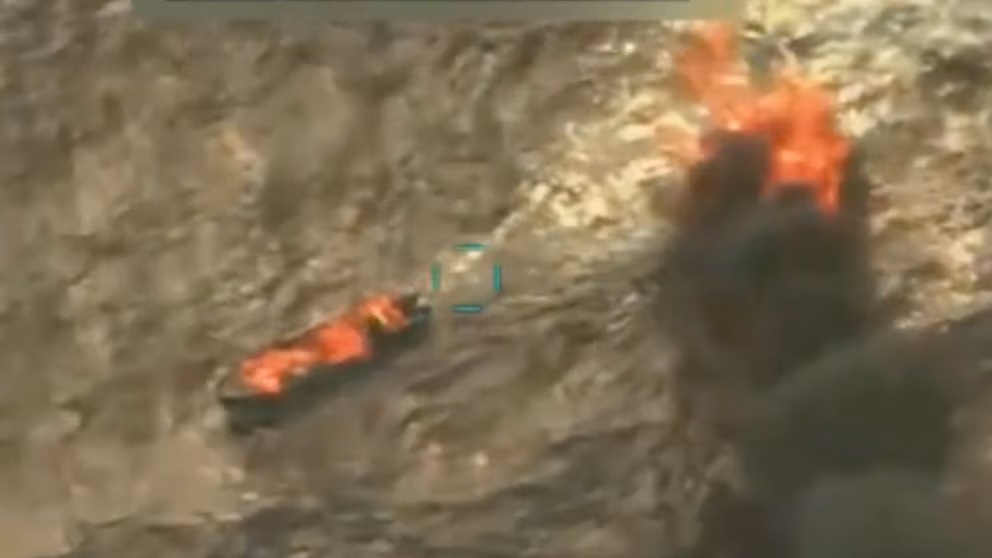
According to multiple credible reports, including detailed coverage by The Washington Post and other news outlets, Hegseth verbally ordered the initial strike on the vessel, which was suspected of carrying narcotics trafficked by a Venezuelan cartel. The mission was monitored live by command officials, including Hegseth himself, who admitted on Fox News that he watched the strike live.
The first missile strike reportedly killed most, but left two survivors clinging to the wreckage. It was then that a second strike was ordered. Sources reveal that Hegseth gave a verbal directive instructing the military to “kill them all” – meaning eliminating every person on board the boat, including survivors of the initial strike. Admiral Frank M. “Mitch” Bradley, overseeing the operation from Fort Bragg, reportedly complied with this directive by launching a follow-up strike targeting the survivors. Bradley defended the second strike on the grounds that the survivors could have called for reinforcement or recovery of the narcotics, presenting an ongoing threat.
Evidence Behind the “Kill Them All” Order
The proof of Hegseth’s order primarily comes from anonymous but multiple military sources who claim firsthand knowledge of the operation. They recount that the order was given verbally during the mission briefing and executed by military Special Operations units. While no official recorded video or written orders have been publicly revealed, these consistent insider accounts form the basis of the current understanding.
White House officials have stated that Hegseth authorized Admiral Bradley to conduct the strike operations and that the strikes were carried out in accordance with national and international law, a claim disputed by some legal experts and lawmakers.
Legal and Political Fallout
The revelation of the “kill them all” order has caused bipartisan outrage in Congress, with lawmakers demanding full transparency, including the release of unmanned aerial footage and communications tapes from the strike. There are ongoing calls for formal investigations into whether the second strike constituted a war crime, as international law prohibits attacking survivors of naval attacks.
Hegseth has denied the allegations, calling the reports fabricated and inflammatory, defending the strikes as necessary counter-narcotics actions. Meanwhile, public and political debate continues over the legality and morality of such lethal measures, especially concerning American military operations beyond declared war zones.
Conclusion
The 2025 drug boat strike controversy highlights difficult questions about military command authority, rules of engagement, and the ethical bounds of anti-narcotics warfare. Pete Hegseth’s admitted live monitoring of the strike and reported verbal order to “kill them all” demonstrate a strikingly hardline approach. Yet the absence of directly released evidence beyond multiple insider testimonies keeps the situation legally and politically unsettled. As Congress probes deeper and public attention remains fixed, the full truth behind the strikes and the accountability for these deadly operations will be critical to watch.
Resources and Further Reading
- Washington Post: Hegseth order on first Caribbean boat strike
- Newsweek: Hegseth’s Remarks That He Watched Boat Strike ‘Live’ Come Under Scrutiny
- Al Jazeera: Hegseth or Admiral Bradley: Who approved the second Venezuela boat strike?
- CNN: 6 big questions about the Trump administration’s boat strikes controversy
- Wikipedia: 2025 United States military strikes on alleged drug traffickers

 Sheriff of Nottingham
Leave a comment